
Level 2 EV Charger Installation in Allen, TX
Dedicated 240-volt circuits installed on permit from Twin Creeks to the older blocks off SH-5, sized to the unit you own.
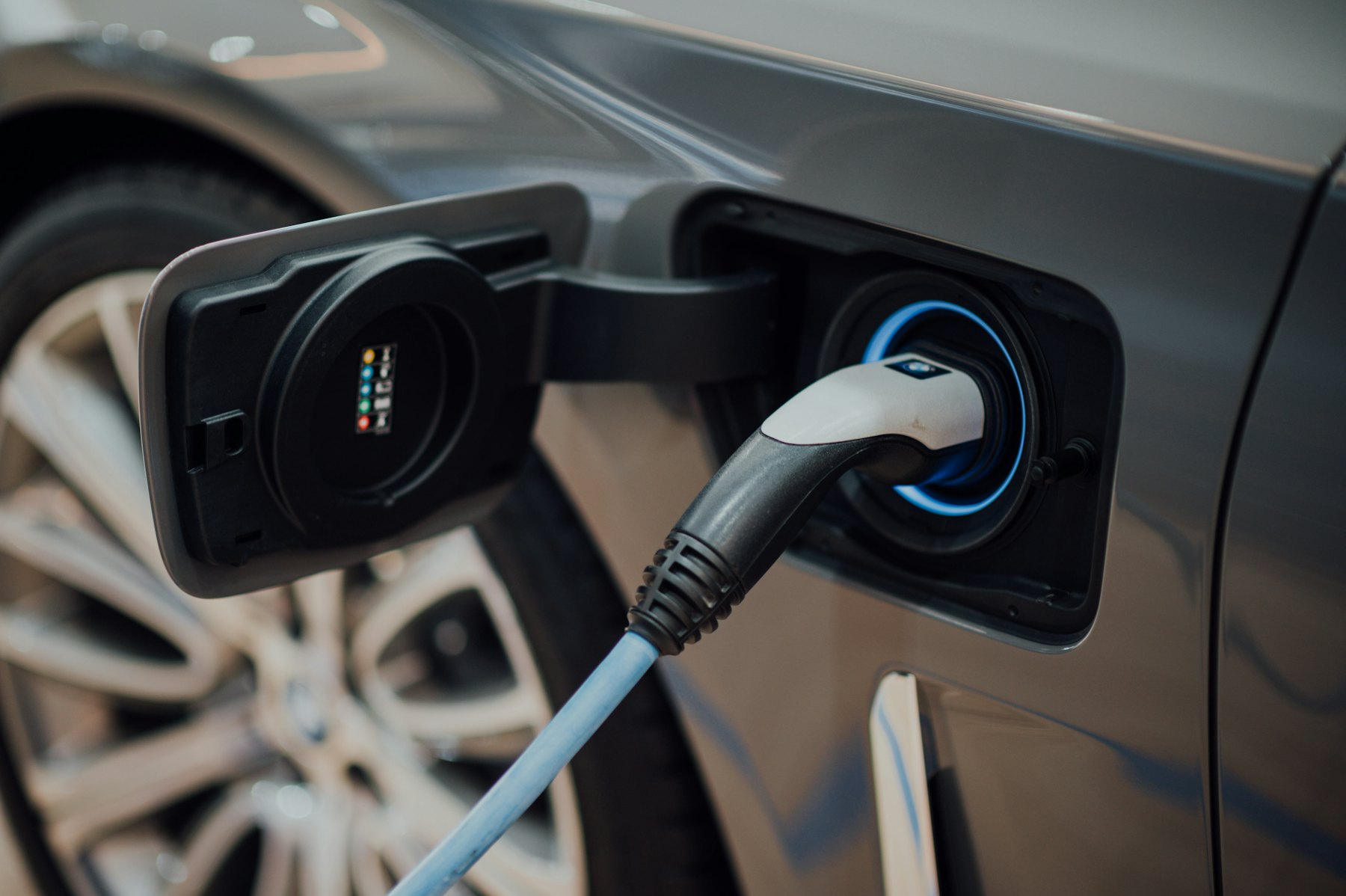
What a Level 2 Install Actually Involves in an Allen Home
Level 2 EV charger installation in Allen is the job almost everyone is calling about, and it is also the job most often quoted badly. A Level 2 charger runs on 240 volts and adds roughly 20 to 40 miles of range an hour, which is what turns an EV from a planning exercise back into a normal car. Allen EV Charger Installation starts every one of these the same way: a load calculation on your existing service, a walk of the route from the panel to where the charger will hang, and a flat written number that covers all of it. Most people call us the week their vehicle is delivered, and that timing works well because a standard install usually goes on the calendar within the same week. What you see on install day is a tech pulling the permit paperwork out first, setting the breaker and conductor to your charger's continuous rating, mounting the unit, energizing it, and confirming the vehicle actually draws at the rate the equipment promises.
What Is Covered in a Level 2 Installation
Every Level 2 quote we write covers the following. If any item does not apply to your home, it comes off the price rather than staying on as padding.
Load calculation on the existing service.
We total the connected load against your panel's rating to confirm there is room for a continuous 32, 40 or 48-amp draw, and we show you the arithmetic rather than asserting a conclusion.
Charger-specific circuit sizing.
The breaker and conductor are selected for your unit's continuous rating at 125 percent, so a 48-amp charger lands on a 60-amp circuit and actually delivers 48 amps instead of nuisance-tripping at 40.
Dedicated home-run circuit from the panel.
No sharing with the garage receptacles, no tapping an existing dryer circuit, no sub-panel improvisation unless the quote specifically includes one.
Conduit and conductor routing priced by the foot.
Attic runs, crawl routing, exterior EMT down a brick elevation and core drilling through a garage wall all get measured and quoted individually, because a 12-foot run and a 70-foot run are not the same job.
Breaker installation in the existing load center.
Correct bus compatibility, correct torque to the manufacturer's spec, and a labeled directory entry so the next electrician knows what that breaker feeds.
Charger mounting at a working height and position.
We account for cable length, where the vehicle's port sits, and whether you will ever park a second car in that bay, so the cable is not stretched across a walkway every night.
Energization, commissioning and app setup.
The unit is powered, firmware-checked, connected to your network where the model supports it, and configured to the amperage your circuit supports rather than the factory default.
A real charge test with your vehicle.
We plug in and watch the draw stabilize at the expected rate before we pack up, because a charger that energizes is not the same as a charger that charges.
Permit filed and inspection met.
The electrical permit is pulled under our TDLR contractor license with City of Allen Building Inspections, and a tech meets the inspector on site so you do not have to take a day off.
Warranty registration and documentation.
Manufacturer warranty registered, our written workmanship warranty issued, and the invoice itemized so the federal credit paperwork is straightforward.
How the Install Goes, Start to Finish
- 01
The free assessment and the written number.
A licensed electrician comes out, opens the panel, runs the load calculation and walks the route with you. You will hear what your service can carry, where the charger should hang, and what the run will cost. Before the tech leaves, you have a flat written quote broken into line items. This visit usually takes under an hour and you are under no obligation to proceed.
- 02
Permit, scheduling and materials.
Once you approve the quote, we file the electrical permit with City of Allen Building Inspections and put you on the schedule, typically within the same week for a standard residential install. Conduit, conductor and the correct breaker are staged ahead of the date. If your charger has not arrived yet, we schedule around its delivery rather than installing a circuit to nowhere.
- 03
Install day and inspection.
The crew arrives inside the stated window, protects the garage floor, runs the circuit, sets the breaker, mounts and commissions the charger, and tests an actual charge session with your vehicle. Most single-charger installs are done within a day. We then meet the city inspector, get the approval signed off, and send you the card along with your warranty paperwork.
Why This Particular Job Goes to Us
We size for the charger you bought, not for a generic 40-amp default.
A surprising number of Allen homes have a 48-amp-capable charger quietly running at 32 because the circuit behind it was never sized correctly. We read the unit's listed continuous rating and build the circuit to it, which is the difference between a full overnight charge and a nearly full one.
The quote is a number, not a range.
Trenching, conduit length, breaker, permit fee and labor each appear on their own line, so you can see exactly what you are paying for and compare it honestly against anyone else's bid. If we open a wall and the scope genuinely changes, we stop and re-quote.
EVITP certification on the crew that shows up.
EV supply equipment has its own continuous-load rules, its own GFCI considerations and its own commissioning steps, and EVITP is the training program built specifically for it. That is what you want behind a circuit running at full load for six hours every night.
- TDLR-Licensed & Insured
- Flat-Rate Written Pricing
- Usually Scheduled Within the Week
- EVITP-Certified Installers
Get Your Allen Level 2 Install Priced This Week
A charger sitting in its box is not charging anything. One visit gives you the load calculation, the route, and a written number, and most Allen installs go on the calendar within days of approval.